Pong

Publish the
Game
After completing the games, the final step was to publish them. My initial choice was Steam, as it is currently one of the most effective PC game distribution platforms for reaching players and achieving commercial success (Sims, 2025). However, after reviewing Steam’s publishing requirements, I quickly reconsidered this option:
Given the simplicity of my Pong projects, I considered it unlikely that the games would generate sufficient revenue to recover the Steam Direct fee. Consequently, the upfront publishing cost became the primary barrier to releasing the game on Steam.
Then I turned to itch.io, a platform widely associated with independent game developers. Unlike Steam, itch.io offers a more open publishing environment, with no upfront fees, minimal review requirements, and flexible pricing options. The platform is also known for supporting prototypes, experimental projects, and niche games (Newman, 2017), making it a more suitable venue for a simple Pong game.


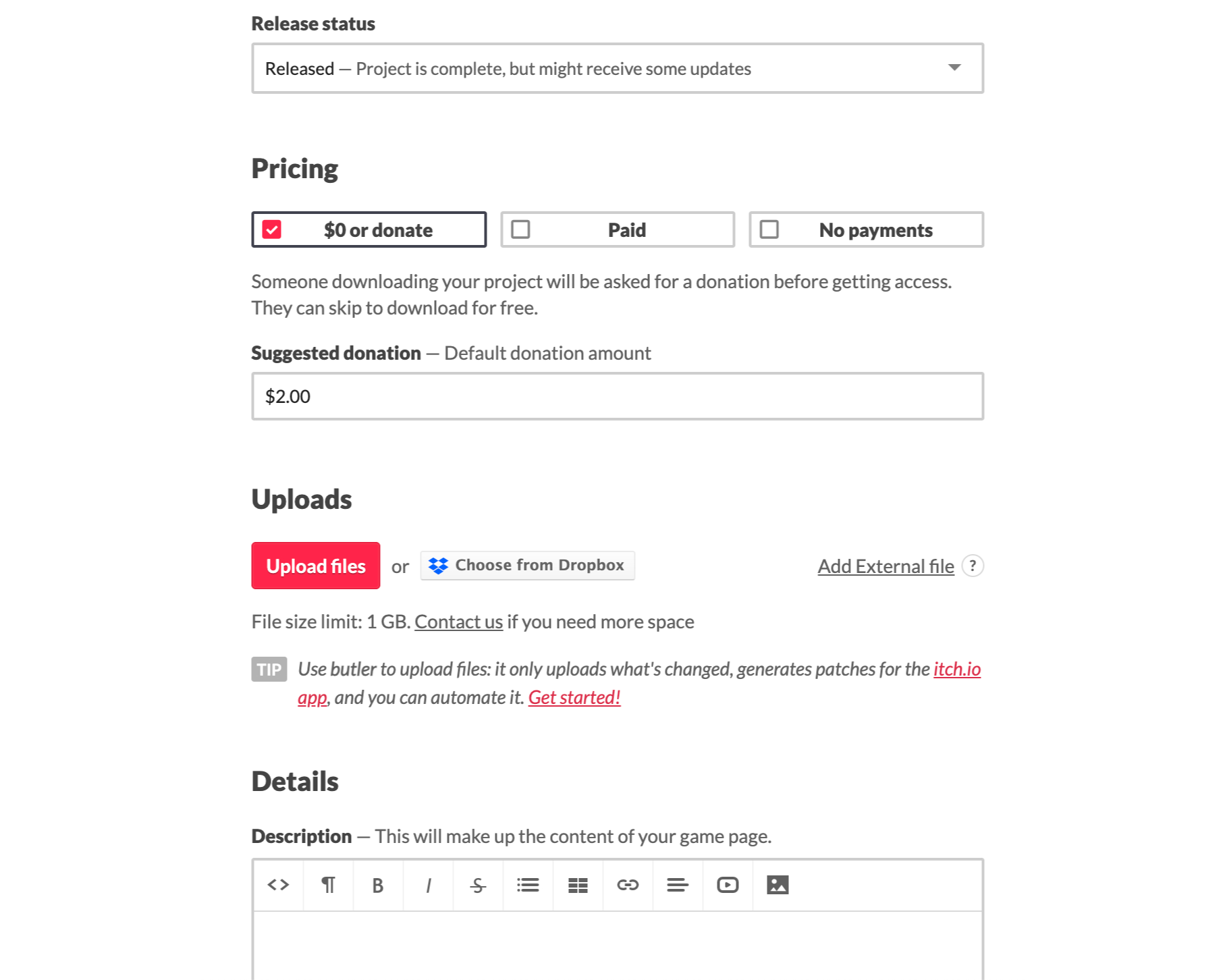
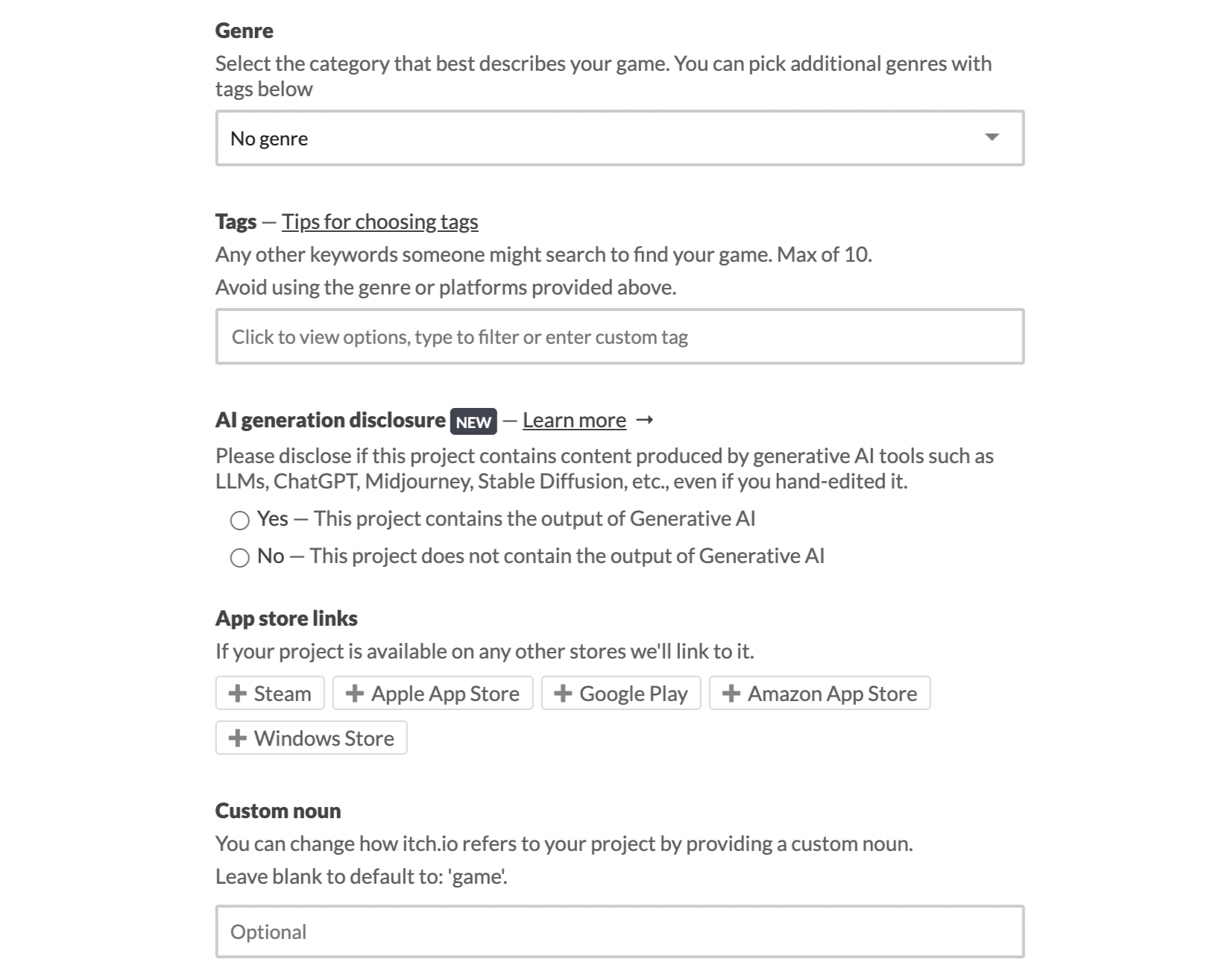
Information Required for Publishing Game on itch.io
Although the publishing process on itch.io was relatively straightforward and mainly involved completing the required information, exporting the game from the engine proved to be considerably more challenging.

Exporting Game from Godot
Godot supports multiple export formats, each involving different configuration settings that I found difficult to fully understand on my own. As a result, I turned to YouTube tutorials for guidance. After searching for “How to export a game in Godot”, I chose to export the projects as web builds that can be played directly in web browsers, thereby maximising accessibility and compatibility.
Like previous development tutorials, these videos focused primarily on procedural steps rather than the underlying rationale. However, since exporting a game is a relatively simple technical task that requires less conceptual understanding, I was able to follow the instructions successfully and publish the game on itch.io without major difficulties.

Considering the potential copyright issues associated with using AI to develop games, I only published Version 1 and Version 2, both of which were released with a “ $0 or donate” pricing option. After publishing the games, I checked their performance on itch.io on August 12. At that point, 75 days had passed since their release, and the results were rather poor. Version 1 received only 6 views, while Version 2 received 4 views. Both games recorded zero downloads, payments, ratings, and collections.

In fact, this result was largely expected, as I did not anticipate that two such very simple games of relatively modest quality would attract much attention. This is particularly understandable given the large number of games available on itch.io. At the time of my research, there were 719,094 browser games on the platform, while a search for “Pong” returned 4,888 browser games (itch.io, 2026). I also examined the five highest-ranked browser games in the “Top Rated” category. Surprisingly, these games were not the highly polished or large-scale projects I had expected. Instead, each game could generally be completed within around 30 minutes, featured simple gameplay and minimalist visual styles, and was available free of charge. Some games even made all of their code and visual assets openly available under a “zero rights reserved” approach.


It was this observation that made me question why some games that are similarly simple and short can receive thousands of ratings, while others receive little or no attention. I examined the comments on these games and found that their appeal was often rooted in distinctive strengths across engaging narratives, clever gameplay, and characteristic visual styles. Excellence in just one of these aspects seemed sufficient for these highly individualistic indie games to stand out among the many commercially produced games that follow more standardised production models. By offering players a different experience, these games were able to attract attention and gain popularity. This may suggest that, for indie game development, creative ability may be more important than game development skills alone.




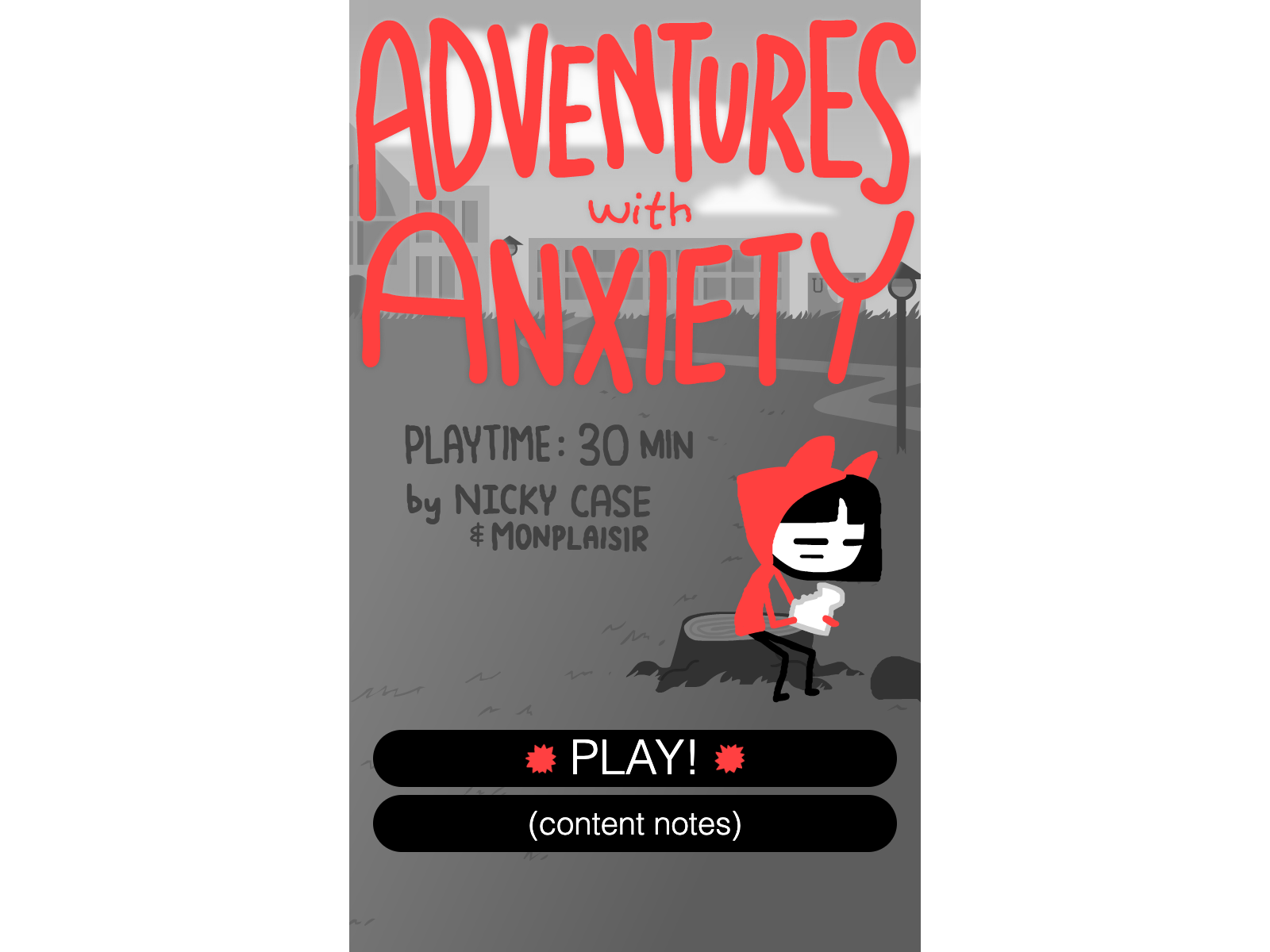
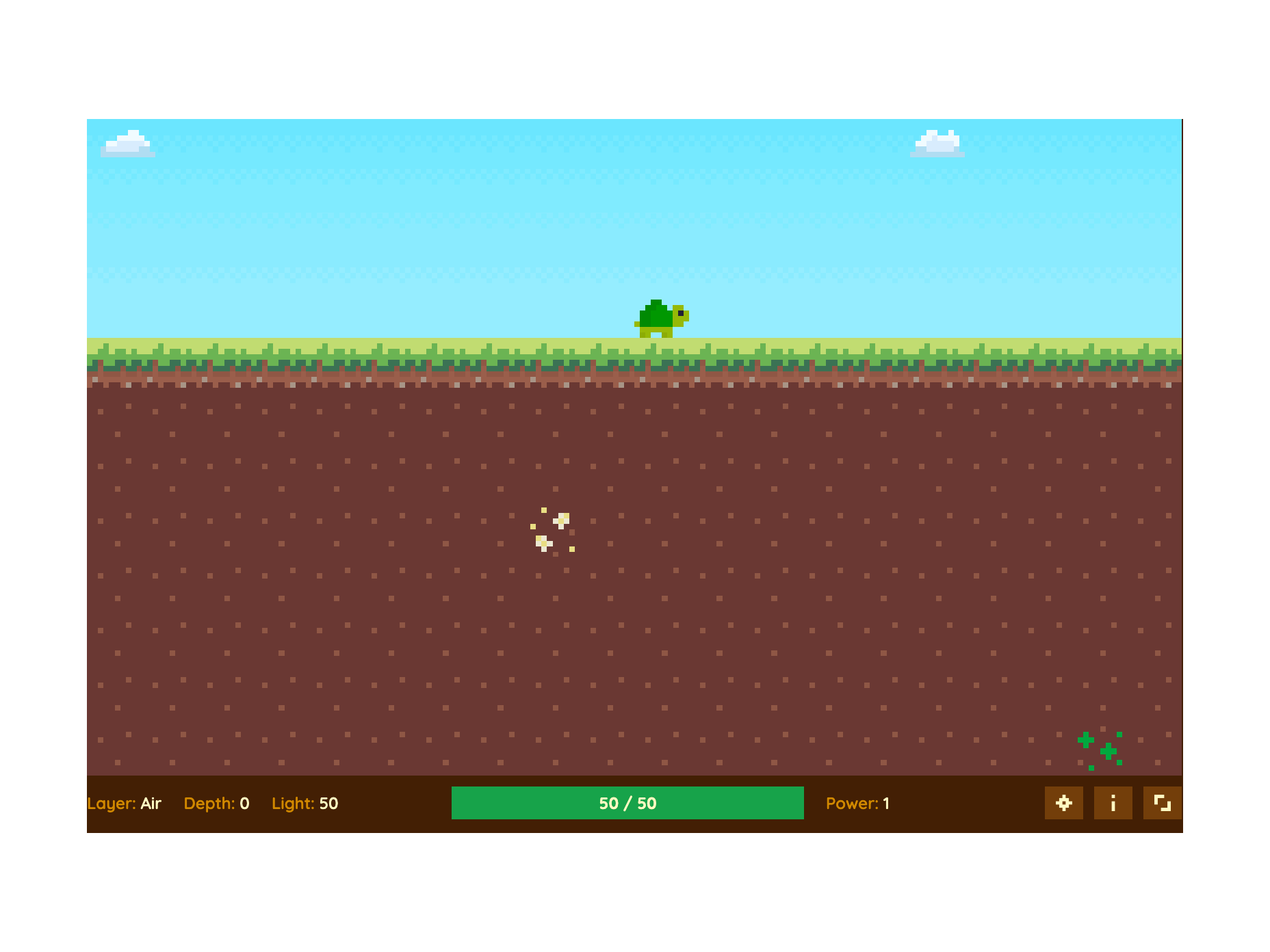
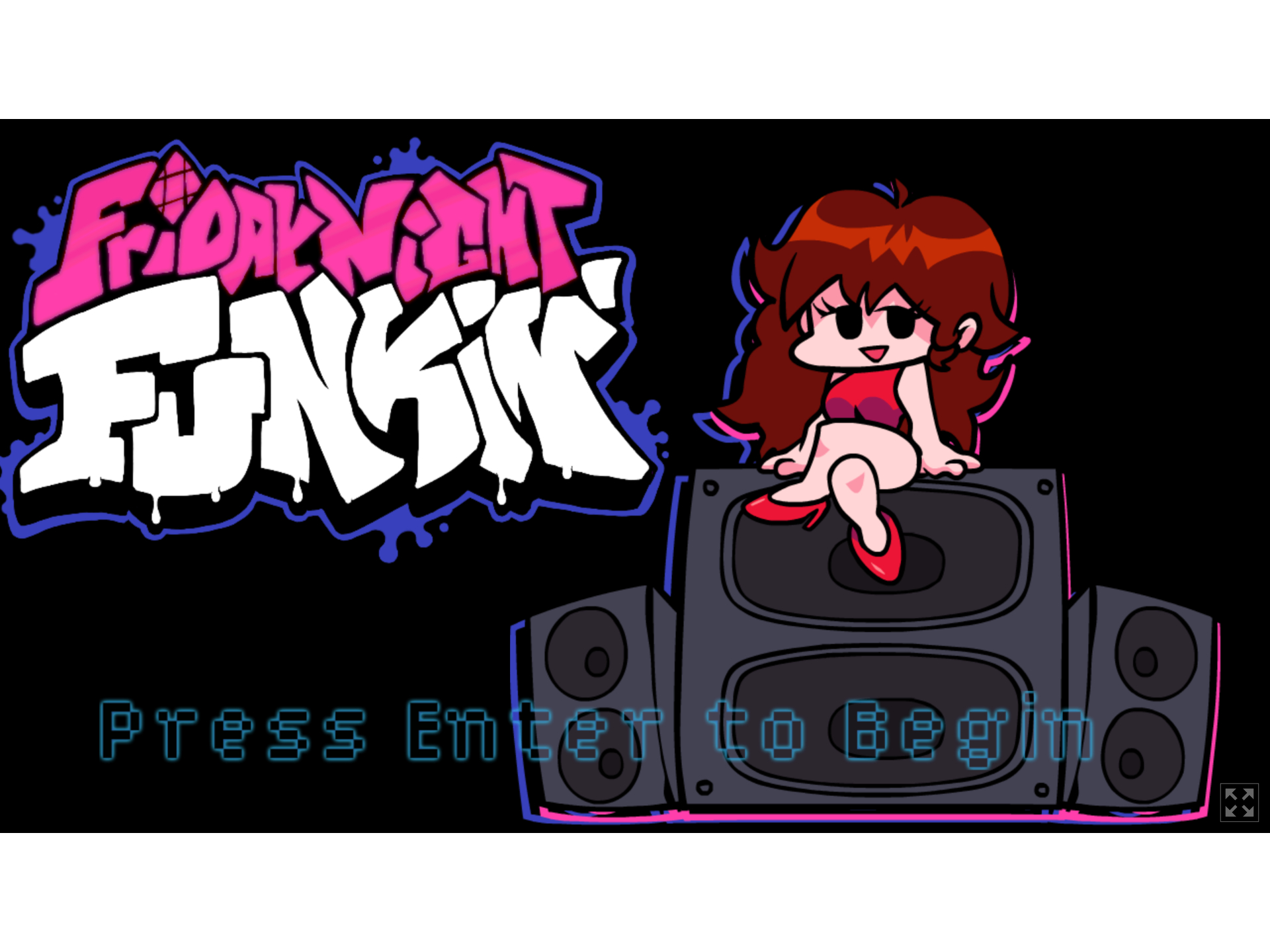
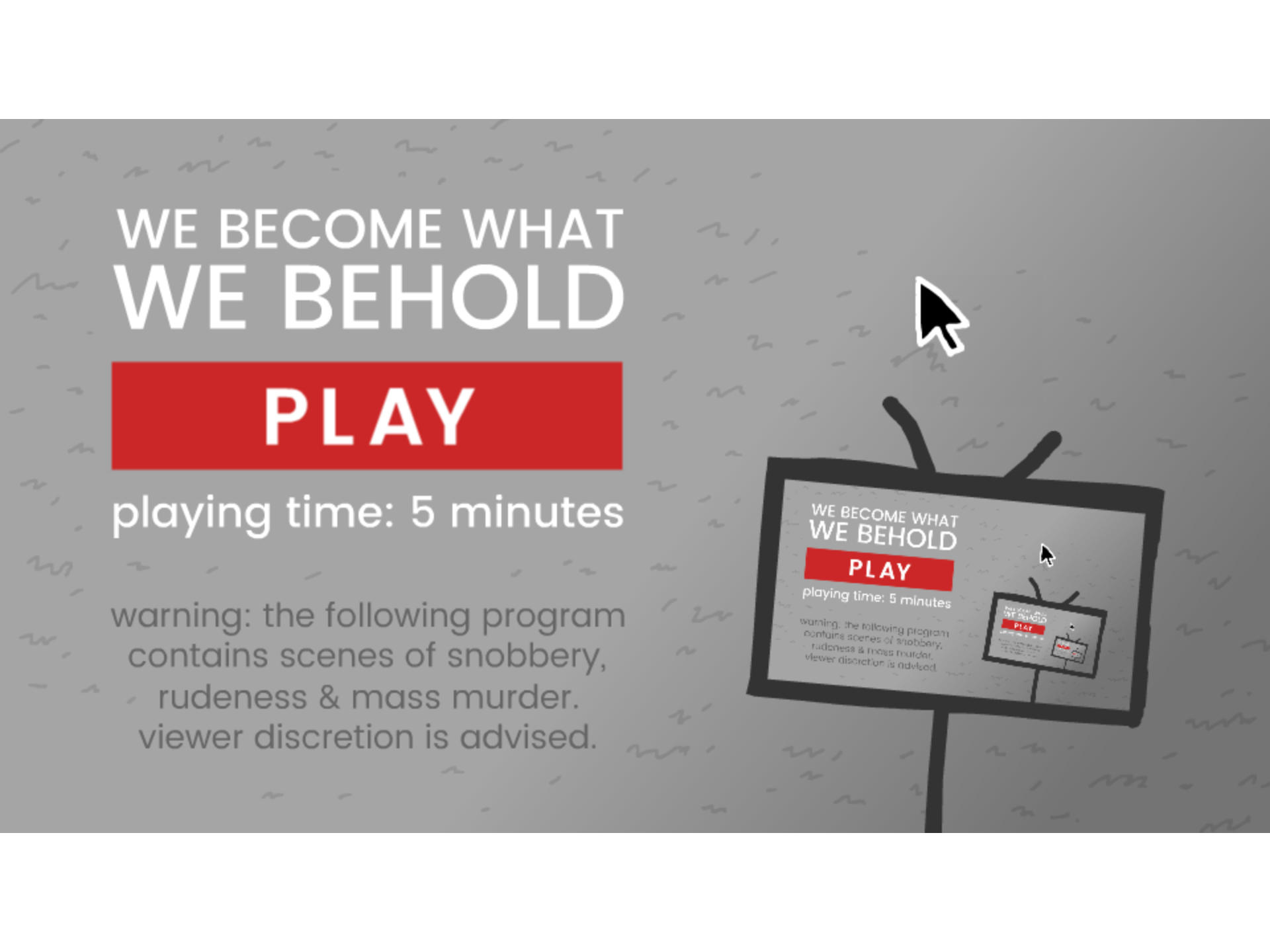
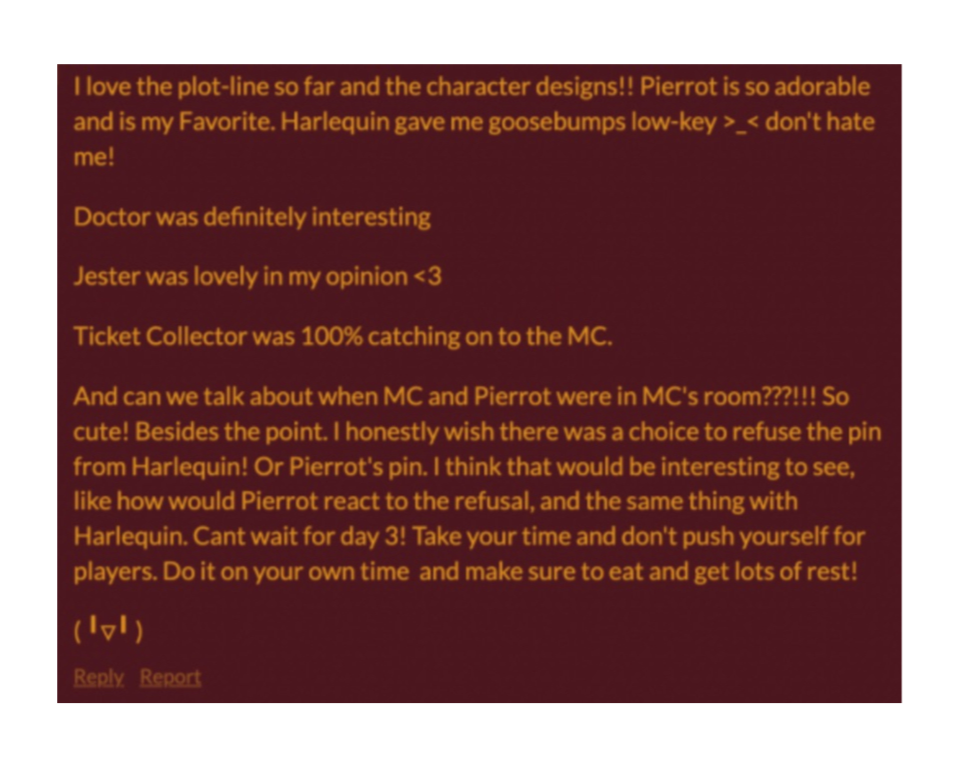

Comments about the Highest-ranked Browser Games